
FOODS THAT SHARPENS THE BRAIN

The human brain is an extraordinarily complex organ. It controls thought, memory, emotion, movement, and every process that keeps you alive. Despite accounting for only about 2% of your body weight, it consumes roughly 20% of your daily energy intake. That means what you eat has a direct effect on how well your brain performs both in the short term and over the course of your life.
“Brain building” isn’t just about boosting intelligence; it’s about enhancing memory, focus, creativity, emotional balance, and long-term cognitive health. Nutrition plays a central role in our diets. The right foods can improve neurotransmitter function, protect neurons from damage, support neuroplasticity (your brain’s ability to adapt), and even reduce the risk of neurodegenerative diseases.
This article explores the best foods for brain building in detail, explains why they work, and shows how to incorporate them into your daily routine.
BEST FOOD FOR BRAIN BUILDING
1. Fatty Fish: The Foundation of Brain Health
Fatty fish such as salmon, sardines, mackerel, and tuna are often considered the gold standard for brain nutrition. The key reason is their high content of omega-3 fatty acids, particularly DHA (docosahexaenoic acid).
Health benefit of Omega-3.
DHA is a major structural component of brain cells. This is because about 60% of your brain is made of fat, and a significant portion of that is omega-3.
Omega-3 fatty acids:
- Help build and repair brain cells.
- Improve communication between neurons.
- Reduce inflammation in the brain.
- Support memory and learning.
A deficiency in omega-3 is cognitive decline, depression, and poor concentration.
How to Use.
Eat fatty fish at least 2–3 times per week. If fresh fish isn’t always accessible, canned sardines or tuna are excellent alternatives.
2. Eggs: Nature’s Brain Multivitamin
Eggs are one of the most complete foods available, and they are specially powerful for brain development.
Key Nutrients in Eggs.
- Choline: Essential for producing acetylcholine, a neurotransmitter involved in memory and mood.
- Vitamin B12: Supports nerve function and energy production.
- Folate (Vitamin B9): Important for brain development and mental clarity.
Brain Benefits.
Choline is particularly crucial in our diet. Many people don’t get enough of it, yet it plays a direct role in forming new neural connections.
How to Use.
Eat whole eggs (not just egg whites) to get the full benefit. Boiled, scrambled, or lightly fried eggs are all good options.
3. Leafy Green Vegetables: Cognitive Protection.
Vegetables like spinach, kale, and broccoli are packed with brain-supporting nutrients.
Key Components.
- Vitamin K (supports cognitive function).
- Lutein (improves memory and learning).
- Folate (supports brain development).
- Antioxidants (protect brain cells).
Benefit.
Leafy greens slow down cognitive aging and help maintain mental sharpness over time.
How to Use.
Incorporate them into soups, stews, smoothies, or side dishes daily.
4. Nuts and Seeds: Brain Fuel in Small Packages.
Nuts and seeds are dense in nutrients that support brain health.
Best Choices.
- Walnuts (rich in omega-3).
- Almonds (vitamin E).
- Pumpkin seeds (zinc, magnesium, iron).
- Flaxseeds and chia seeds (omega-3 and fiber).
Brain Benefits.
- Vitamin E protects against oxidative stress.
- Magnesium helps with learning and memory.
- Zinc supports nerve signaling.
How to Use.
Snack on a handful daily or add them to cereals, yogurt, or salads.
5. Berries: Memory Boosters.
Berries such as blueberries, strawberries, and blackberries are rich in flavonoids.
What Flavonoids Do
- Improve communication between brain cells.
- Enhance memory.
- Reduce inflammation.
- Delay brain aging.
How to Use
Eat fresh or frozen berries as snacks, or blend them into smoothies.
6. Whole Grains: Steady Energy for the Brain
Your brain requires a constant supply of glucose, but not all carbs are equal.
Why Whole Grains?
Whole grains like oats, brown rice, and whole wheat release glucose slowly into the bloodstream, providing a steady energy supply.
Benefits.
- Improved concentration.
- Better mood stability.
- Sustained mental performance.
How to Use.
Replace refined carbs (white bread, pastries) with whole grains.
7. Dark Chocolate:
Dark chocolate (at least 70% cocoa) contains compounds that helps in brain function.
Key compounds.
- Caffeine (in small amounts).
- Antioxidants.
- Flavonoids.
Brain Effect.
- Improves blood flow to the brain.
- Enhances mood.
- Boosts short-term cognitive performance.
How to Use
Too much sugar cancels the benefits, so keep portions small.
8. Avocados: Healthy Fats for Brain Power.
Avocados are rich in monounsaturated fats, which support healthy blood flow.
Brain Benefit.
The brain depends on a strong blood supply to deliver oxygen and nutrients.
Additional Benefits.
- Supports memory.
- Reduces blood pressure (linked to cognitive decline).
- Contains vitamin K and folate.
How to Use
Add to salads, sandwiches, or eat as a spread.
9. Dairy Products: Support for Brain Signaling.
Milk, yogurt, and cheese provide essential nutrients for brain health.
Key Nutrients.
- Calcium (important for nerve transmission).
- Vitamin B12.
- Protein.
Brain Benefits.
These nutrients help maintain proper communication between brain cells.
How to Use.
Consume in moderation as part of a balanced diet.
10. Beans and Legumes: Slow Energy and Brain Stability.
Beans, lentils, and chickpeas are excellent for maintaining stable blood sugar levels.
Why This Matters.
Fluctuating blood sugar can alter focus and mood.
Benefits.
- Sustained energy.
- Improved concentration.
- Rich in fiber and protein.
11. Water: The Overlooked Brain Nutrient
Hydration is often ignored but is critical for brain performance.
Effects of Dehydration.
- Poor concentration.
- Fatigue.
- Headaches.
- Memory issues.
Recommendation
Drink enough water throughout the day to keep your brain functioning optimally.
12. Spices and Herbs: Small Additions, Big Impact.
Certain spices have powerful brain-boosting properties.
Examples:
- Turmeric (contains curcumin, which reduces inflammation).
- Ginger (improves cognitive function).
- Garlic (supports blood flow).
MEAL PLAN FOR BRAIN BUILDING
Here’s an example of a day focused on brain nutrition:
Breakfast:
- Oatmeal with berries and nuts.
- Boiled eggs.
- A glass of milk.
Lunch:
- Brown rice with grilled fish.
- Steamed vegetables (spinach, broccoli).
- Avocado slices.
Snack:
- Dark chocolate (small piece).
- A handful of almonds.
Dinner:
- Lentil stew.
- Whole grain bread.
- Yogurt.
HOW TO BOOST THE BRAIN
FACTORS THAT BOOST BRAIN NUTRITION.
Food alone isn’t enough. For optimal brain building, combine good nutrition with:
1. Sleep
Sleep is when the brain consolidates memory and repairs itself.
2. Exercise
Physical activity increases blood flow to the brain and promotes new neuron growth.
3. Mental Stimulation
Reading, learning new skills, and problem-solving strengthen neural connections.
4. Stress Management
Chronic stress damages brain cells and impairs memory.
Common Mistakes to Avoid.
- Skipping meals: leads to low energy and poor focus.
- Too much sugar: causes energy crashes.
- Highly processed foods: lack essential nutrients.
- Ignoring hydration: reduces cognitive performance.
NUTS FOR BRAIN BUILDING
THE ROLE OF NUTS FOR BRAIN BUILDING.
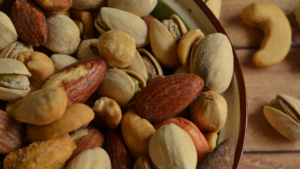
Nuts are among the most powerful and practical foods you can use for brain building. They’re small, affordable, easy to store, and incredibly dense in nutrients that directly support how your brain grows, functions, and protects itself over time. When people think about improving memory or focus, they often overlook nuts but they quietly deliver many of the exact compounds your brain depends on every day.
Let’s go deeper into why nuts matter so much for the brain, what specific nutrients they provide, and which ones are the most effective.
WHY NUTS ARE GOOD FOR BRAIN BUILDING
Your brain relies heavily on healthy fats, antioxidants, vitamins, and minerals. Nuts happen to contain all of these in concentrated amounts.
1. Healthy Fats Build Brain Cells
About 60% of your brain is made up of fat. Not just any fat, but high-quality fats that keep brain cells flexible and functional. Nuts are rich in unsaturated fats, especially omega-3 and omega-6 fatty acids.
These fats:
- Help form and repair brain cell membranes.
- Improve communication between neurons.
- Support learning and memory.
Without enough healthy fats, brain signaling becomes slower and less efficient.
2. Vitamin E Protects Brain Cells
Many nuts are rich in vitamin E, a powerful antioxidant.
Your brain is highly vulnerable to oxidative stress because it uses a lot of oxygen. Over time, this can damage cells and contribute to memory decline.
Vitamin E:
- Protects brain cells from damage.
- Slows cognitive aging.
- Supports long-term brain health.
People who consume more vitamin E tend to maintain better memory as they age.
3. Antioxidants Fight Brain Aging
Nuts contain polyphenols and other antioxidants that reduce inflammation and oxidative stress.
This is important because:
- Inflammation can alter memory and focus.
- Oxidative stress accelerates brain aging.
- Antioxidants help maintain mental clarity.
4. Minerals Support Brain Function
Nuts are rich in essential minerals like:
- Magnesium
- Zinc
- Iron
Each of these plays a role in brain performance:
- Magnesium helps learning and memory.
- Zinc supports communication between neurons.
- Iron helps deliver oxygen to the brain.
Low levels of these minerals can lead to fatigue, poor concentration, and reduced mental performance.
THE BEST NUTS FOR BRAIN BUILDING
Not all nuts are equal when it comes to brain benefits. Some stand out more than others due to their specific nutrient profiles.
1. Walnuts: The Ultimate Brain Nut
Walnuts are often considered the best nut for brain health—and for good reason.
Why They Stand Out
- Extremely rich in omega-3 fatty acids (ALA).
- High in antioxidants.
- Support memory and cognitive performance.
Brain Benefits.
- Improve learning ability..
- Support faster information processing
- May reduce risk of neurodegenerative conditions.
How to Use.
Eat a small handful daily or add them to oatmeal, salads, or snacks.
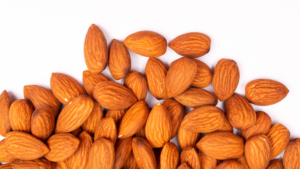
2. Almonds: Memory and Focus Boosters
Almonds are widely available and packed with brain-supporting nutrients.
Key Nutrients
- Vitamin E.
- Magnesium.
- Healthy fats.
Brain Benefits
- Improve memory retention.
- Support concentration.
- Help reduce mental fatigue.
How to Use.
Eat raw, roasted, or soaked overnight for easier digestion.
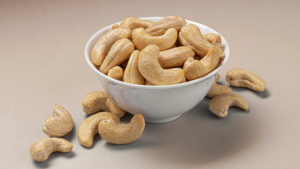
3. Cashews: Mineral-Rich Brain Support
Cashews are especially rich in minerals that support brain activity.
Key Nutrients:
- Magnesium.
- Iron.
- Zinc.
Brain Benefits.
- Support oxygen flow to the brain.
- Improve focus and alertness.
- Help maintain stable energy levels.
4. Peanuts: Affordable and Effective
The are nutritionally similar to nuts. Peanuts are strong options especially if you’re on a budget.
Key Nutrients:
- Niacin (Vitamin B3).
- Protein.
- Healthy fats.
Brain Benefits.
- Support brain energy metabolism.
- Improve cognitive function.
- Help protect against age-related decline.
Peanuts are one of the easiest ways to consistently include brain-friendly nutrients in your diet.
5. Pistachios: Brain Energy and Blood Flow
Pistachios are rich in antioxidants and nutrients that support circulation.
Brain Benefits.
- Improve blood flow to the brain.
- Support mental alertness.
- Help regulate energy levels.
6. Hazelnuts: Antioxidant Protection
Hazelnuts are specially rich in vitamin E and healthy fats.
Brain Benefits.
- Protect brain cells from oxidative damage.
- Support long-term cognitive health.
Seeds That Work like Nuts.
Although they might be technically different but these seeds offer similar or even stronger brain benefits.
Top Choices:
- Flaxseeds.
- Chia seeds.
- Pumpkin seeds.
Why They Should Be Considered.
- Rich in omega-3 fatty acids.
- High in magnesium and zinc
- Support memory and mood.
Pumpkin seeds, in particular, are excellent for brain signaling due to their zinc content.
HOW NUTS IMPROVES SPECIFIC BRAIN FUNCTIONS
1. Memory
Nutrients like vitamin E and omega-3 fatty acids strengthen the hippocampus, the part of the brain responsible for memory.
2. Focus and Concentration
Magnesium and healthy fats help maintain steady brain activity and prevent mental fatigue.
3. Mood and Mental Health
Healthy fats and micronutrients help regulate neurotransmitters like serotonin and dopamine.
4. Long-Term Brain Protection
Regular nut consumption lowers risk of cognitive decline and brain-related diseases.
HOW MUCH NUTS SHOULD I EAT?
Nuts are powerful, but they’re also calorie-dense.
Recommended Amount
- About a small handful (20–30 grams) per day
This is enough to get the benefits without overconsuming calories.
BEST WAYS TO EAT NUTS FOR BRAIN BENEFITS
1. Eat Them Raw or Lightly Roasted
Avoid heavily salted or fried nuts, as excess salt and unhealthy oils reduce their benefits.
2. Combine with Other Brain Foods
Pair nuts with:
- Fruits (like bananas or berries).
- Whole grains.
- Yogurt.
3. Use Nut Pastes
Peanut butter or almond butter can be convenient, but choose natural versions without added sugar or hydrogenated oils.
When to Eat Nuts for Maximum Effect
- Morning: Boosts energy and focus for the day.
- Midday snack: Prevents energy crashes.
- Before studying or working: Enhances concentration.
Common Mistakes to Avoid
1. Overeating
Nuts are healthy but high in calories. Too much can lead to weight gain.
2. Eating Highly Processed Nuts
Flavored or sugar-coated nuts reduce the brain benefits.
3. Ignoring Variety
Different nuts provide different nutrients. Mixing them gives better results.
A Simple Brain-Boosting Nut Mix
You can create a powerful daily mix:
- Walnuts.
- Almonds.
- Cashews.
- Pumpkin seeds.
Eat a small portion daily for balanced brain support.
CONCLUSION
Nuts are one of the simplest and most effective foods for brain building. They provide the essential fats, antioxidants, and minerals your brain needs to function at its best.
What makes them specially valuable is consistency of consumption. You don’t need large amounts, just a small daily intake can steadily improve memory, focus, and long-term brain health.
If you are serious about boosting your brain power, adding nuts to your daily routine is one of the easiest and most reliable steps you can take.
Building a strong, healthy brain doesn’t require expensive supplements or extreme diets. It comes down to consistently choosing nutrient-rich whole foods that support your brain’s structure and function.
Fatty fish, eggs, leafy greens, nuts, berries, whole grains, and healthy fats all work together to enhance memory, focus, and long-term cognitive health. When combined with proper sleep, exercise, and mental engagement, these foods create a powerful foundation for lifelong brain performance.
The key is consistency. A single healthy meal won’t transform your brain overnight, but a steady pattern of smart nutrition will.