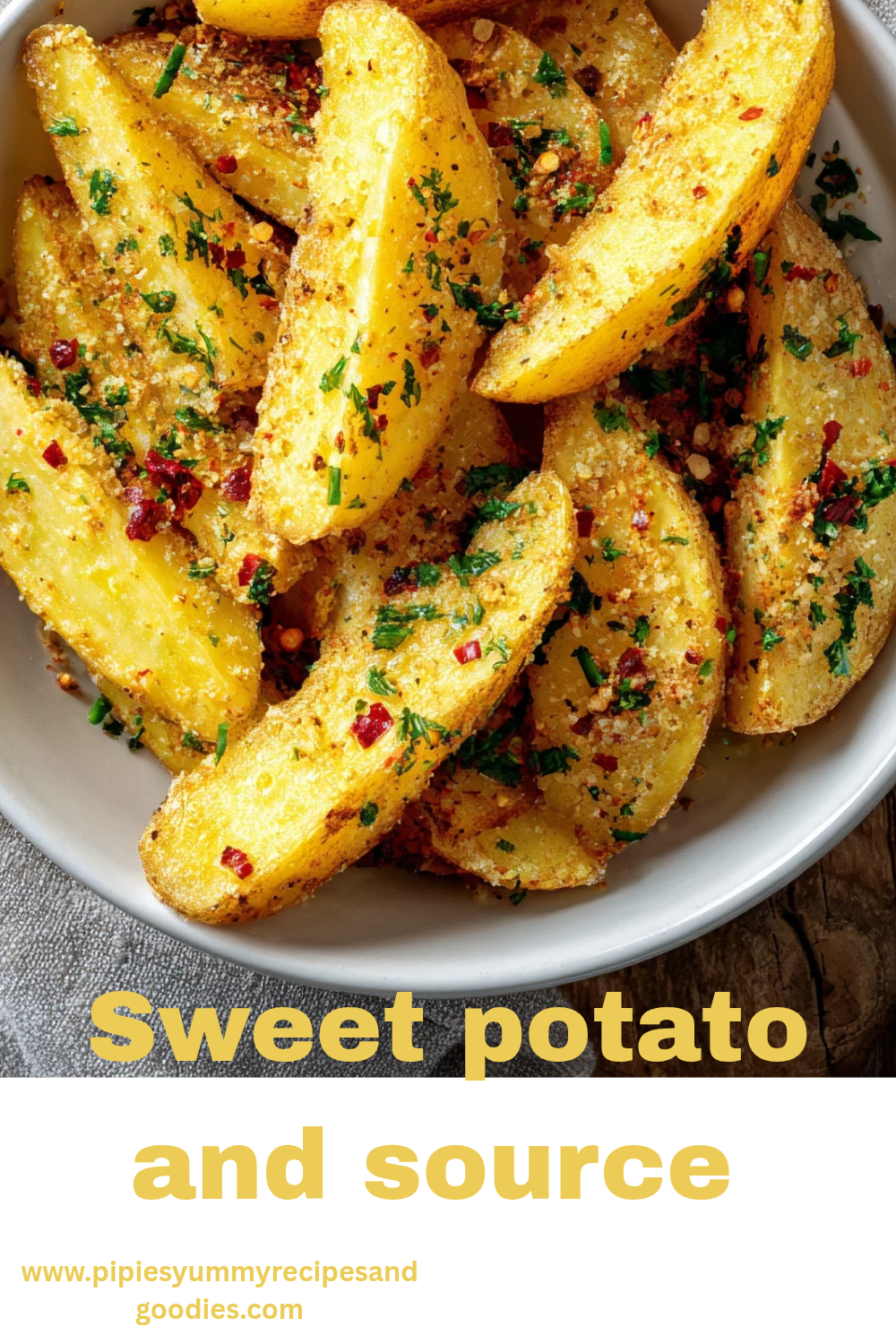
5-Minute Breakfast Recipe(Sweet Potato and tomato Source).

Potatoes are a widely consumed and nutritious food rich in carbohydrates, which provide energy for the body. They contain important nutrients like vitamin C, potassium, and fiber, especially when eaten with the skin. Potatoes support digestion, help maintain heart health, and can be part of a balanced diet when prepared in healthy ways such as boiling or baking instead of frying. Sweet potato and tomato sauce is a simple, nutritious, and flavorful combination often enjoyed in many cuisines. Sweet potatoes are rich in fiber, vitamins (especially vitamin A), and natural sugars that give them a mild sweetness. When paired with tomato sauce made from tomatoes, onions, spices, and oil, the dish gains a savory, slightly tangy flavor that balances the sweetness.
Breakfast recipe is a simple set of steps to prepare a morning meal that provides energy for the day. One common example is fresh tomato source with sweet potato. Breakfast recipes are usually quick, nutritious, and easy to make, helping you start your day with a balanced meal.
This dish is nutritious, easy to prepare, and perfect for breakfast or a light meal.
Outline for Preparing Sweet Potato with Tomato Sauce:
Preparation:
- sweet potato (2-3 medium size)
- tomato (fresh)
- Onion(1 small)
- Garlic
- Vegetable oil (for frying and sauce 2-3 tsp)
- Salt (to taste)
- Black pepper
- Optional: chili pepper, seasoning cubes, thyme or curry powder
Preparation Steps
1. Prepare the Sweet Potatoes
- Wash thoroughly to remove dirt.
- Peel off the skin using a knife or peeler.
- Cut into desired shapes (round slices, cubes, or fries).
- Rinse again and pat dry with a clean cloth or paper towel (this helps reduce oil splatter during frying).
2. Fry the Sweet Potatoes
- Heat a good amount of vegetable oil in a frying pan or deep fryer.
- Test the oil by dropping a small piece—if it sizzles, it’s ready.
- Carefully add the sweet potatoes in batches (don’t overcrowd the pan).
- Fry until golden brown and slightly crispy on the outside.
- Remove and place on paper towels to drain excess oil.
- Sprinkle a little salt while still hot.
3. Prepare the Tomato Sauce
- Wash and chop or blend the tomatoes.
- Slice onions and mince garlic.
- Heat a small amount of oil in a clean pan.
- Add onions and garlic; sauté until soft and fragrant.
- Pour in the tomatoes and cook on medium heat.
- Stir occasionally and allow it to thicken.
- Add salt, pepper, and optional spices (chili, thyme, curry).
- Cook until the sauce is rich and well-seasoned.
4. Combine (Optional Step)
- You can either:
- Serve the fried sweet potatoes separately with the sauce on the side, or
- Add the fried potatoes into the sauce and stir gently for a coated dish.
- Let it simmer for 2–3 minutes if combining.
5. Serve
- Serve hot as a main dish or side.
- Can be paired with eggs, grilled fish, or vegetables.
Tips for Best Results
- Use moderately hot oil to avoid soggy or burnt potatoes.
- Don’t overcrowd the pan—this keeps them crispy.
- Add green vegetables (spinach ) for more nutrition.
- Adjust spice level to your taste.
- For a healthier version, shallow fry instead of deep fry.
- Add fresh herbs at the end for extra flavor.
Why It’s a Healthy Choice
- Rich in vitamins:
sweet potato is high in vitamin A (good for eyes and immunity).
- Antioxidants:
tomato contains lycopene, which helps protect cells.
- High fiber:
Supports digestion and keeps you full longer.
- Low in unhealthy fats:
Especially when prepared with minimal oil.
Healthy Tips
- Use less oil and avoid deep frying.
- Add leafy greens for extra nutrients.
- Control salt intake.
- Pair with protein to make it more balanced and satisfying.
Sweet Potato as a Healthy Meal
1. Nutritional Content
Sweet potato is highly nutritious and provides essential nutrients:
- Carbohydrates: Main source of energy (complex carbs)
- Dietary fiber: Supports digestion and gut health
- Vitamins:
- Vitamin A (very high, especially in orange varieties)
- Vitamin C (boosts immunity)
- Vitamin B6 (supports brain function)
- Minerals: Potassium, magnesium, and iron
- Antioxidants: Helps protect the body from cell damage
2. Health Benefits
- Improves vision:
High in vitamin A, supports good eyesight and eye health
- Boosts immunity:
Vitamins A and C help the body fight infections
- Supports digestion:
It’s Fiber content helps prevent constipation and improves gut health
- Good for heart health:
It contains Potassium which helps regulate blood pressure
- Provides steady energy:
It’s Complex carbohydrates release energy slowly, keeping you full longer
- May help control blood sugar:
When eaten in moderation, it has a relatively moderate glycemic impact compared to refined carbs
3. Sweet Potato as a Balanced Meal
Sweet potato can be part of a complete healthy meal when combined with:
- Protein sources: Eggs, fish, beans, chicken
- Vegetables: Spinach, carrots, green beans
- Healthy fats: Small amounts of vegetable oil or olive oil
Example: Sweet potato + tomato sauce + fish + vegetables = balanced diet
4. Healthy Preparation Methods
- Boiling
- Steaming
- Baking
- Roasting
- Light frying (use minimal oil)
Avoid excessive deep frying to maintain its health benefits.
5. Other Healthy Food Sources with Similar Benefits
If you want alternatives or variety, you can include:
- yam – rich in carbohydrates and fiber
- Irish potato – good energy source with vitamin C
- cassava – high-energy staple food
- carrot – rich in vitamin A and antioxidants
- plantain – provides energy and potassium
Nutritional Content of Tomato
Tomato is a nutrient-rich food with many essential components:
- Water content: About 90–95% (helps with hydration)
- Vitamins:
- Vitamin C (boosts immunity)
- Vitamin A (supports vision and skin)
- Vitamin K (important for blood clotting)
- Minerals: Potassium, magnesium
- Antioxidants: Lycopene (gives tomatoes their red color)
- Dietary fiber: Supports digestion
- Low calories: Suitable for weight management
Health Benefits of Tomato
- Boosts immunity:
Vitamin C helps the body fight infections
- Promotes heart health:
Potassium helps regulate blood pressure, while lycopene may reduce heart disease risk
- Supports eye health:
Vitamin A helps maintain good vision
- Rich in antioxidants:
Lycopene helps protect cells from damage and may lower risk of certain diseases
- Aids digestion:
Fiber supports a healthy digestive system
- Supports skin health:
Antioxidants help protect the skin from damage and aging
- Helps with hydration:
High water content keeps the body hydrated
- May reduce risk of chronic diseases:
Regular consumption is linked to lower risk of conditions like heart disease and some cancers
6. Conclusion
Sweet potato is a nutrient-dense, affordable, and versatile food that supports overall health. When prepared in healthy ways and combined with protein and vegetables, it forms a balanced and nourishing meal suitable for daily consumption. Tomato is a highly nutritious, low calorie food that provides essential vitamins, minerals and antioxidants. Including it in meals such as sauces, salads or stews supports overall health and well-being.