WHAT IS SLEEP?
Sleep is a natural state of rest where your body and brain slow down and recover. While you sleep, your body does important work like:
- repairing muscles and tissues.
- strengthening memory and learning.
- regulating hormones and emotions.
- supporting the immune system.
- conserving energy.
Sleep occurs in cycles that include different stages:
- Light sleep — your body relaxes and heart rate slows.
- Deep sleep — physical recovery and growth happen here.
- REM sleep (Rapid Eye Movement) — most dreaming occurs, and the brain processes memories and emotions.
Most adults need about 7–9 hours of sleep per night, though needs vary by age and person.
Not getting enough sleep can affect concentration, mood, health, and energy levels. Also check out BEST FOOD FOR SLEEP.
HOW MUCH SLEEP CAN YOU GET DAILY?
The amount of sleep a person is expected to get each day depends mostly on age. The National Sleep Foundation and other health organizations generally recommend:
For most healthy adults, 7–9 hours every night is considered ideal. Quality matters too — uninterrupted, consistent sleep is usually better than fragmented sleep.
BEST SLEEPING POSITION
Best Sleeping Positions and Their Benefits
Sleep position plays an important role in overall health, comfort, breathing, spinal alignment, and sleep quality. The way a person sleeps can affect the neck, back, digestion, circulation, and even the quality of breathing during the night. Choosing the right sleeping position can reduce pain, improve posture, and promote healthier sleep.
There is no single perfect sleep position for everyone because different positions benefit different people depending on age, health condition, and comfort. However, some positions are generally healthier than others. See also BEST FOOD FOR BRAIN BUILDING.
Why Sleeping Position Matters
Sleeping positions usually affects different areas of the body system.
Your sleeping posture affects:
- Spine alignment.
- Blood circulation.
- Breathing patterns.
- Digestion.
- Muscle relaxation.
- Joint pressure.
- Snoring and sleep apnea.
Poor sleeping positions may lead to:
- Neck pain.
- Back pain.
- Shoulder discomfort.
- Poor breathing.
- Acid reflux.
- Interrupted sleep.
Healthy sleep posture helps the body recover properly during rest.
1. Sleeping on the Back (Supine Position)
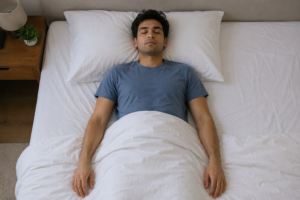
Sleeping on the back is often considered one of the healthiest sleeping positions because it allows the head, neck, and spine to rest in a neutral position.
Benefits of Sleeping on the Back
a. Supports the Spine.
This position evenly distributes body weight and reduces pressure on the spine.
b. Reduces Neck and Back Pain
Proper pillow support can help maintain spinal alignment and reduce strain.
c. Prevents Facial Wrinkles
Since the face is not pressed against a pillow, skin irritation and wrinkles may be reduced.
d. Helps Acid Reflux
When the head is slightly elevated, stomach acid is less likely to flow back into the esophagus.
Disadvantages
Back sleeping may:
- Increase snoring.
- Worsen sleep apnea in some individuals.
Best Tips for Back Sleepers
- Use a medium-support pillow.
- Place a pillow under the knees for spinal support.
- Avoid very high pillows.
2. Sleeping on the Side (Lateral Position)
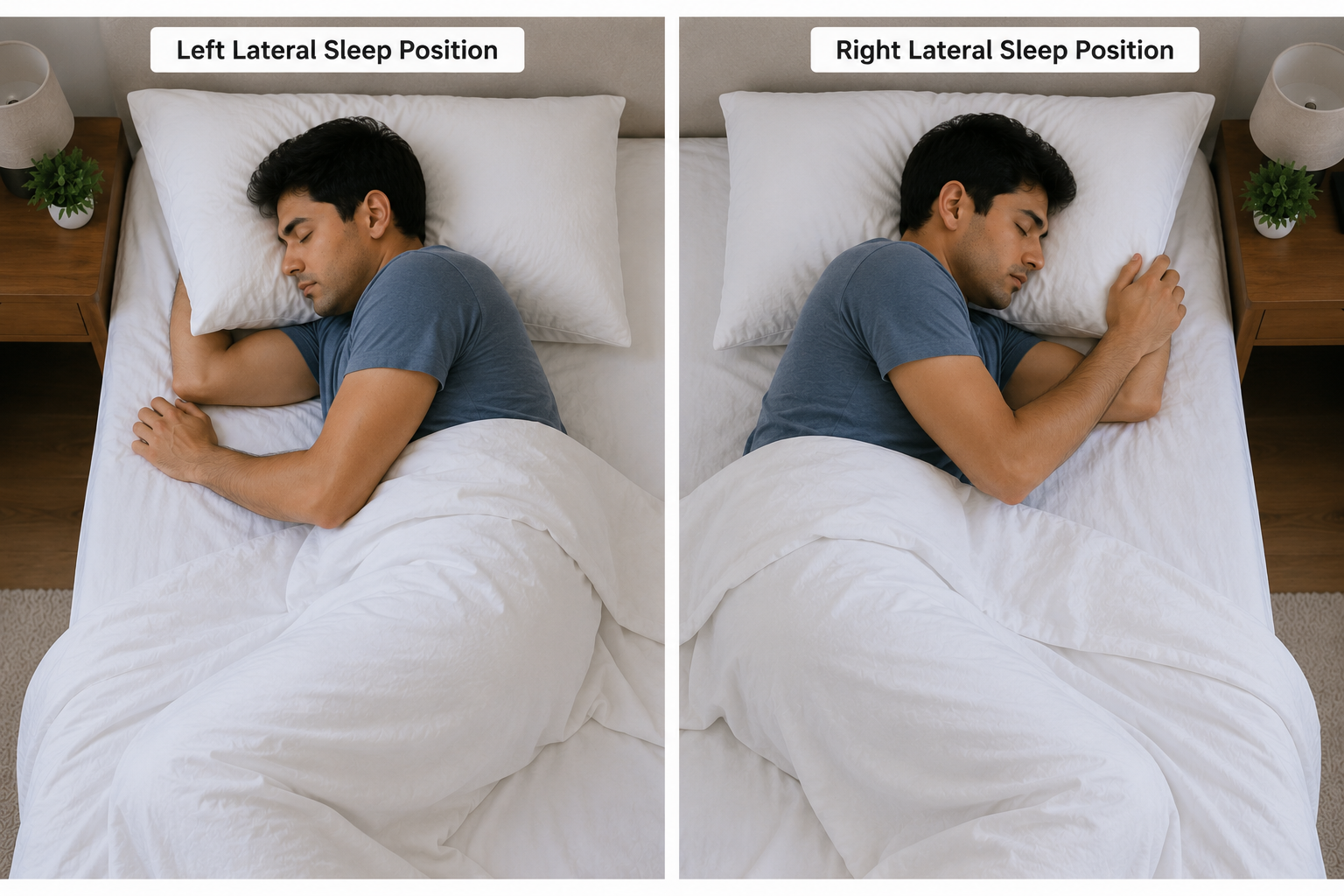
Side sleeping is one of the most popular and recommended positions.
Benefits of Side Sleeping
a. Improves Breathing
Sleeping on the side helps keep airways open and reduces snoring.
b. Good for Sleep Apnea
This position may also help people with mild sleep apnea breathe more easily.
c. Supports Digestion
The digestive system may function better in this position.
d. Healthy During Pregnancy
Pregnant women are often advised to sleep on their left side to improve blood flow to the baby.
e. Reduces Back Pain
Side sleeping can help reduce pressure on the lower back.
Left Side vs Right Side Sleeping
Left Side Sleeping.
It is often considered more beneficial because it:
- Improves circulation.
- Reduces acid reflux.
- Supports digestion.
- Benefits pregnant women.
Right Side Sleeping
This is also considered comfortable, but may slightly worsen acid reflux in some people.
Disadvantages of Side Sleeping
- Shoulder pressure.
- Hip discomfort.
- Facial wrinkles from pillow pressure.
Tips for Side Sleepers
- Use a thick pillow to support the neck.
- Place a pillow between the knees.
- Keep legs slightly bent.
3. Sleeping in the Fetal Position
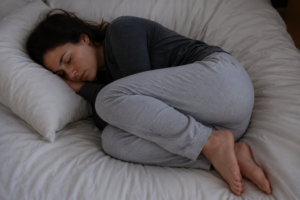
The fetal position is a variation of side sleeping where the knees are drawn toward the chest.
Benefits
- Provides comfort and security.
- Reduces snoring.
- Good for pregnant women.
- May relieve lower back pressure.
Disadvantages
Curling too tightly may:
- Restrict deep breathing.
- Cause joint stiffness.
- Lead to neck strain.
Tips for this position
- Keep the body relaxed.
- Avoid curling too tightly.
- Use supportive pillows.
4. Sleeping on the Stomach (Prone Position)
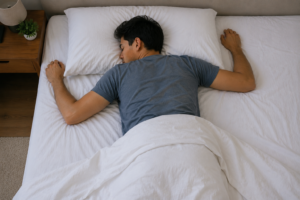
Sleeping on the stomach is less commonly recommended because it may strain the neck and spine.
Some Possible Benefits of this position:
a. Reduces Snoring
This position may help keep airways more open.
b. Some People Find It Comfortable
Certain individuals naturally prefer this position.
Disadvantages of Stomach Sleeping
a. Neck Strain
The head must turn sideways for breathing, which can strain the neck.
b. Back Pain
The spine may become misaligned due to pressure on the stomach.
c. Pressure on Muscles and Joints
This can cause numbness or soreness.
Tips for Stomach Sleepers
If stomach sleeping cannot be avoided or you find this position suitable:
- Use a very thin pillow or no pillow
- Place a pillow under the hips
- Stretch regularly
Best Sleeping Position for Specific Conditions
1. Best Position for Back Pain
Recommended:
Side sleeping with a pillow between the knees.
This keeps the spine aligned and reduces pressure on the lower back.
2. Best Position for Neck Pain
Recommended:
Back sleeping with proper neck support.
Make sure to use a pillow that keeps the neck aligned with the spine.
3. Best Position for Snoring
Recommended:
Side sleeping.
Sleeping on the back often worsens snoring because the tongue can block the airway.
4. Best Position for Acid Reflux
Recommended:
Left-side sleeping with the head elevated.
This helps prevent stomach acid from moving upward.
5. Best Position During Pregnancy
Recommended:
Left-side sleeping.
This helps improves blood flow to the baby and reduces pressure on internal organs.
Importance of Pillows and Mattress
Even the best sleeping position may become uncomfortable without proper support.
Choosing the Right Pillow
A good pillow should:
- Support the natural curve of the neck.
- Match sleeping position.
- Prevent strain.
Pillow Recommendations
- Back sleepers: medium pillow.
- Side sleepers: thicker pillow.
- Stomach sleepers: thin pillow.
Choosing the Right Mattress
A quality mattress should:
- Support spinal alignment.
- Reduce pressure points.
- Provide comfort.
Mattresses that are too soft or too hard may cause pain.
Healthy Sleeping Habits
Good sleep posture works best when combined with healthy sleep habits.
Important Sleep Practices
- Sleep at consistent times.
- Avoid excessive phone use before bed.
- Reduce caffeine intake at night.
- Exercise regularly.
- Keep the bedroom cool and quiet.
Signs Your Sleeping Position May Be Causing Problems
You may need to change your sleeping posture if you frequently experience:
- Neck stiffness.
- Morning headaches.
- Shoulder pain.
- Lower back pain.
- Tingling or numbness.
- Poor sleep quality.
Listening to your body can help identify unhealthy sleep habits.
The Importance of Sleep and Its Effects on the Human Body System
Sleep is one of the most essential biological functions necessary for human survival and well-being. Just like food, water, and oxygen, sleep plays a critical role in maintaining physical health, mental stability, emotional balance, and overall quality of life. Despite its importance, many people underestimate sleep and often sacrifice it for work, entertainment, or social activities. However, lack of proper sleep can negatively affect almost every system in the human body. On the other hand, healthy sleep habits can improve productivity, strengthen immunity, enhance brain performance, and increase longevity.
This article explores how sleep affects the general body system, the positive effects and health benefits of sleep, and the best time for sleeping.
Understanding Sleep
Sleep is a natural state of rest during which the body and mind undergo restoration and recovery. During sleep, the brain remains active, carrying out important processes that support memory, healing, growth, and emotional regulation.
Sleep occurs in cycles that repeat throughout the night. Each cycle contains different stages:
- Light Sleep – The body begins to relax, breathing slows, and muscles loosen.
- Deep Sleep – The body repairs tissues, builds muscles, strengthens bones, and boosts immunity.
- REM Sleep (Rapid Eye Movement) – This is a stage where dreaming mostly occurs and the brain processes information and emotions.
A complete sleep cycle usually lasts about 90 minutes and repeats several times.
How Sleep Affects the General Body System
Sleep affects nearly every organ and system in the body. Proper sleep allows the body to function efficiently, while poor sleep can lead to physical and mental health problems.
1. Effects of Sleep on the Brain
The brain depends heavily on sleep for proper functioning. During sleep, the brain organizes information gathered throughout the day and stores memories.
Positive Effects on the Brain
- Improves concentration and focus.
- Enhances learning and memory retention.
- Supports problem-solving abilities.
- Boosts creativity and decision-making.
- Stabilizes emotions and mood.
People who sleep well are generally more alert, productive, and emotionally balanced.
Negative Effects of Poor Sleep
Insufficient sleep can cause:
- Forgetfulness.
- Poor judgment.
- Mood swings.
- Anxiety and depression.
- Difficulty concentrating.
Long-term sleep deprivation may even increase the risk of neurological disorders such as dementia and memory decline.
2. Effects of Sleep on the Heart and Circulatory System
The cardiovascular system also benefits greatly from adequate sleep. During sleep, blood pressure naturally decreases, allowing the heart to rest.
Positive Effects
- Helps regulate blood pressure.
- Reduces stress on the heart.
- Supports healthy blood circulation.
- Lowers risk of heart disease and stroke.
Good sleep contributes to healthier arteries and improved heart performance.
Consequences of Sleep Deprivation
People who consistently sleep poorly may develop:
- High blood pressure.
- Irregular heartbeat.
- Increased risk of heart attack.
- Stroke complications.
Research shows that chronic lack of sleep places significant stress on the cardiovascular system.
3. Effects of Sleep on the Immune System
The immune system protects the body from infections and diseases. Sleep strengthens this defense mechanism.
Health Benefits
During sleep, the body produces proteins called cytokines that help fight infection and inflammation.
Adequate sleep:
- Strengthens immunity.
- Helps the body recover faster from illness.
- Reduces inflammation.
- Improves resistance to infections.
People who sleep properly are less likely to catch common illnesses such as colds and flu.
Effects of Poor Sleep
Sleep deprivation weakens immunity, making the body more vulnerable to:
- Frequent infections.
- Slow recovery from sickness.
- Increased inflammation.
- Chronic health conditions.
4. Effects of Sleep on the Hormonal System
Sleep plays a major role in hormone production and balance. Many important hormones are released during sleep.
Positive Effects
Sleep helps regulate:
- Growth hormones.
- Stress hormones.
- Hunger hormones.
- Reproductive hormones.
Children and teenagers specially need proper sleep for healthy growth and development.
Sleep and Stress Hormones
Good sleep lowers levels of cortisol, the body’s primary stress hormone. Reduced stress improves both mental and physical health.
Sleep and Appetite
Lack of sleep affects hormones responsible for hunger and fullness:
- Ghrelin increases appetite.
- Leptin decreases feelings of fullness.
As a result, sleep deprivation often leads to overeating and weight gain.
5. Effects of Sleep on Metabolism and Weight
Sleep significantly influences metabolism and energy balance.
Positive Effects
Proper sleep:
- Helps regulate blood sugar.
- Supports healthy metabolism.
- Maintains energy levels.
- Reduces risk of obesity.
People who sleep well are more likely to maintain healthy body weight.
Negative Effects of Sleep Loss
Insufficient sleep may contribute to:
- Weight gain.
- Increased cravings for sugary foods.
- Diabetes risk.
- Reduced physical activity due to fatigue.
Poor sleep disrupts the body’s ability to process glucose efficiently.
6. Effects of Sleep on Muscles and Physical Recovery
The body repairs and rebuilds tissues during sleep.
Positive Effects
During deep sleep:
- Muscles recover from physical activity.
- Tissues repair themselves.
- Protein synthesis increases.
- Energy stores are replenished.
Athletes and physically active individuals especially benefit from quality sleep because it improves performance and recovery.
Lack of Sleep
Without enough sleep:
- Muscles recover more slowly.
- Fatigue increases.
- Physical performance declines.
- Injury risk rises.
7. Effects of Sleep on Mental and Emotional Health
Sleep and emotional stability are closely connected.
Positive Emotional Effects
Healthy sleep:
- Improves mood.
- Reduces irritability.
- Enhances emotional control.
- Increases resilience to stress.
People who sleep adequately often feel happier and more emotionally balanced.
Mental Health Problems Linked to Poor Sleep
Sleep deprivation can worsen:
- Anxiety.
- Depression.
- Emotional instability.
- Stress disorders.
In severe cases, prolonged sleep loss may contribute to hallucinations and severe mental exhaustion.
Health Benefits of Proper Sleep
Getting enough quality sleep provides numerous health advantages that improve daily life and long-term wellness.
1. Improved Energy Levels
Good sleep restores physical energy and mental alertness. People who sleep well wake up feeling refreshed and motivated.
2. Better Academic and Work Performance
Sleep improves:
- Memory.
- Attention span.
- Creativity.
- Productivity.
Students and workers perform better when they maintain healthy sleep habits.
3. Stronger Immune Function
Proper sleep strengthens the body’s ability to defend itself against viruses, bacteria, and diseases.
4. Reduced Risk of Chronic Diseases
Adequate sleep lowers the risk of:
- Heart disease.
- Diabetes.
- Obesity.
- High blood pressure.
Healthy sleep is an important part of disease prevention.
5. Improved Mood and Relationships
Well-rested individuals are usually:
- More patient.
- Less irritable.
- Emotionally stable.
- Better communicators.
This positively affects relationships with family, friends, and co-workers.
6. Enhanced Physical Appearance
Sleep contributes to healthy skin and overall appearance. During sleep, the body repairs skin cells and improves blood circulation.
People who sleep properly often have:
- Brighter skin.
- Fewer dark circles.
- Healthier appearance.
This is why sleep is sometimes called “beauty rest.”
7. Increased Longevity
Studies suggest that people who consistently get sufficient sleep tend to live longer and healthier lives.
BEST TIME FOR SLEEPING
The timing of sleep is just as important as the duration. The human body follows a natural internal clock known as the circadian rhythm. This rhythm responds to light and darkness and helps determine when the body feels awake or sleepy.
Ideal Sleeping Time
Health experts generally recommend sleeping between:
- 9:00 PM and 11:00 PM
This allows the body to align with its natural biological rhythm.
The body performs many restorative functions during nighttime sleep, especially before midnight. Sleeping late regularly may interfere with these natural processes.
Best Wake-Up Time
Most adults benefit from waking up between:
- 5:00 AM and 7:00 AM
Early rising often supports:
- Better productivity.
- Improved mental clarity.
- Healthier routines.
Tips for Healthy Sleep Habits
To enjoy the full benefits of sleep, healthy sleep practices are essential.
1. Maintain a Consistent Sleep Schedule
Go to bed and wake up at the same time daily, including weekends.
2. Reduce Screen Time Before Bed
Phones, televisions, and computers emit blue light that can disrupt sleep hormones.
3. Avoid Heavy Meals Late at Night
Eating heavily before bedtime may interfere with digestion and sleep quality.
4. Limit Caffeine and Alcohol
Coffee, energy drinks, and alcohol can disturb sleep patterns.
5. Create a Comfortable Sleep Environment
A quiet, dark, and cool room supports better sleep.
6. Exercise Regularly
Physical activity improves sleep quality, though intense exercise should be avoided close to bedtime.
7. Manage Stress
Relaxation techniques such as reading, meditation, and deep breathing can improve sleep.
Consequences of Chronic Sleep Deprivation
Long-term sleep deprivation can seriously damage overall health.
Possible consequences include:
- Chronic fatigue.
- Weak immunity.
- Obesity.
- Diabetes.
- Heart disease.
- Depression.
- Memory problems.
- Reduced life expectancy.
FOODS THAT INDUCES SLEEP
Certain foods and drinks can help promote sleep by supporting the production of melatonin and serotonin, relaxing muscles, or preventing blood sugar crashes at night.
Here are some of the best sleep-friendly foods:
Foods that may help you sleep
- Kiwi — Helps to improved sleep quality and duration.
- Tart cherry or tart cherry juice — This is naturally rich in melatonin.
- Banana —Contains magnesium and potassium that help relax muscles.
- Almond — Rich in magnesium which help support better sleep.
- Walnut — Contains melatonin and healthy fats
- Oatmeal — The comforting carbs may increase serotonin.
- Turkey — Contains tryptophan, which helps make melatonin.
- Yogurt or warm milk — Rich in calcium helps the brain use tryptophan.
- Chamomile tea — This is a calming herbal tea often used before bed.
- Fatty fish like salmon — improves serotonin regulation which helps for sleep.
See also: BEST FOOD FOR SLEEP
Good bedtime snack combinations
- Banana + almond butter.
- Warm milk + oatmeal.
- Greek yogurt + cherries.
- Whole-grain toast + turkey.
Foods/drinks that can interfere with sleep
Try to avoid these within a few hours of bedtime:
- Caffeine (coffee, energy drinks, some teas, chocolate).
- Alcohol (can disrupt deep sleep).
- Very spicy or heavy meals.
- Sugary snacks close to bedtime.
A light snack 1–2 hours before bed usually works better than a heavy meal
YOU MAY ALSO LIKE:
BEST FOOD FOR BRAIN BUILDING
TOP DRINK FOR GOOD HEALTH
BEST FOOD FOR SLEEP
BEST QUICK 10-MINUTES DINNER
Conclusion
Sleep is a fundamental requirement for healthy living. It supports every major body system, including the brain, heart, immune system, muscles, hormones, and emotional health. Proper sleep improves memory, strengthens immunity, boosts energy, enhances mood, and lowers the risk of chronic diseases.
Adults generally need about 7–9 hours of quality sleep each night, preferably during nighttime hours aligned with the body’s natural circadian rhythm. Developing healthy sleep habits is one of the most effective ways to improve physical health, mental well-being, and overall quality of life.
In today’s world, many people sacrifice sleep in pursuit of work or entertainment. However, investing time in proper sleep is one of the most valuable decisions a person can make for long-term health and happiness.