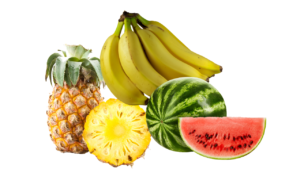
Fruits are seed bearing structures formed from the ovary of a flowering plant. They constitute vital nutritional sources high in fiber, potassium, vitamins and minerals. They are most highly valued as the healthiest diets. They includes: orange, pineapple, mango, guava, apple, kiwi, cherry, berries, pawpaw, grape, avocado, banana, watermelon, e.t.c.
Digestion on the other hand is simply the break down of food into smaller particles such that the body absorbs it into the blood stream to provide energy, growth and repair worn out tissues in the body.
By the end of this article, you will be able to understand:
- The meaning of fruits and its benefits to the body.
- The meaning of digestion.
- The enzymes responsible for digestion in different fruits.
- How fruits aids digestion.
- How best to eat fruits.
5 BEST FRUITS FOR DIGESTION
Here are five best fruits that helps the digestive system work properly and for the digestion of food in the body.
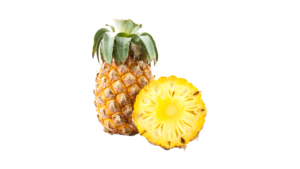
1. Pineapple
Pineapple contains an enzyme called bromelain that helps the body break down proteins and digest food more easily.
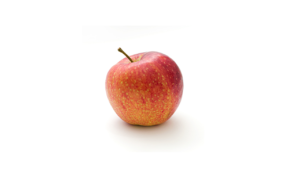
2. Apple
Apples are rich in dietary fiber, especially pectin, which helps improve bowel movement and prevent constipation.
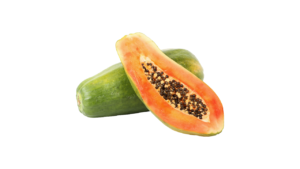
3. Pawpaw (Papaya)
Pawpaw contains papain, a digestive enzyme that helps break down food and support smooth digestion.
4. Banana
Bananas contain fiber and natural compounds that help to regulate digestion and sport healthy gut bacteria.
5. Watermelon
Watermelon has high water content, which helps to keep the body hydrated and make digestion easier.
HOW THEY AID DIGESTION
PAWPAW:
Key digestive benefits:
-
Contains digestive enzyme (papain)
-
Papaya has papain, an enzyme that helps break down proteins in food.
-
It makes digestion faster and easier.
-
-
Prevents constipation
-
Its high fiber and water content helps stool move smoothly through the intestines.
-
-
Reduces bloating and indigestion
-
Papain helps reduce gas, bloating, and stomach discomfort after meals.
-
-
Supports intestinal health
-
Papaya contains antioxidants and vitamins that support gut lining health.
-
-
Improves nutrient absorption
-
By helping break down proteins, papaya allows the body to absorb nutrients more efficiently.
-
Key digestive compound: Bromelain
How it helps digestion.
-
Bromelain helps digest protein efficiently.
-
Reduces stomach inflammation.
-
It helps improve nutrient absorption.
Other benefits
-
Anti-inflammatory properties.
-
Helps reduce gas and bloating.
-
Rich in vitamin C.
Best way to eat
-
Fresh pineapple slices.
-
Pineapple juice (without adding sugar).
-
Pineapple fruit salad.
BANANA

Key digestive nutrients: Fiber (pectin) and resistant starch
Key digestive benefits:
-
High in soluble fiber
-
Bananas contain pectin and resistant starch.
-
These help regulate the movement of food through the digestive tract.
-
-
Relieves constipation
-
The fiber content of banana adds bulk to stool, making bowel movements easier.
-
-
Soothes the stomach
-
Bananas are gentle on the stomach and can help reduce irritation or acidity.
-
-
Supports gut bacteria
-
Resistant starch feeds beneficial bacteria in the colon, thereby improving digestion.
-
-
Helps with diarrhea
-
Bananas replace lost potassium and electrolytes during diarrhea and help with firm stool.
-
How it helps digestion
-
Promotes regular bowel movements.
-
Helps to restore gut bacteria balance.
-
Soothes the stomach and helps to control diarrhea.
Other benefits
-
It provides quick energy.
-
Acts gentle on the stomach.
- Helps reduce acid reflux.
Best way to eat
-
Eat as a snack.
-
Add to oatmeal or smoothies.
- Eat as fruits.
APPLES
Key digestive benefits:
-
Rich in dietary fiber
-
Apples contain soluble fiber called pectin.
-
Pectin helps soften stool and promote regular bowel movement, preventing constipation.
-
-
Supports good gut bacteria
-
Pectin acts as a prebiotic, feeding beneficial bacteria in the intestines.
-
It also improves overall gut health and digestion.
-
-
Helps regulate bowel movements
-
The fiber in apples helps both constipation and mild diarrhea by normalizing stool consistency.
-
-
Stimulates digestive juices
-
Natural acids in apples can stimulate gastric juice production, thereby making food break down more easy.
-
How it helps digestion
-
Pectin feeds good gut bacteria.
-
Helps regulate bowel movement.
-
Prevents constipation and diarrhea.
Other benefits
-
Supports colon health.
-
Helps detox the digestive tract.
-
Low calorie and filling.
Best way to eat
-
Eat with the peel (contains more fiber with the peel)
-
Add to salads or smoothies.
WATERMELON

1. High Water Content (Hydration for Digestion)
Watermelon contains about 90–92% of water, which helps digestion by:
-
Softening stool.
-
Supporting smooth movement of food through the intestines.
-
Preventing constipation.
Proper hydration keeps the digestive tract functioning efficiently.
2. Gentle Fiber Support
Watermelon contains small amounts of dietary fiber, which:
-
Adds bulk to stool.
-
Stimulates bowel movement.
-
Supports healthy gut function.
3. Supports Gut Health
Watermelon provides nutrients such as:
-
Vitamin C
-
Vitamin A
-
Lycopene
These compounds can help reduce inflammation in the digestive tract and support overall gut health.
4. Easy to Digest
Because it contains mostly water and low in fat, watermelon:
-
Digests quickly.
-
Is gentle on the stomach.
-
Can be helpful when recovering from digestive discomfort.
Best way to eat
- Cut into slices.
- Add to fruit salad.
- Serve chilled.
PINEAPPLE
1. Contains the Enzyme called Bromelain.
Pineapple is famous for bromelain, a natural digestive enzyme that:
-
Breaks down proteins into smaller amino acids.
-
Helps the stomach digest heavy meals, especially meat or protein-rich foods.
Because of bromelain, pineapple is often used as a natural meat tenderizer.
2. Improves Nutrient Absorption
By breaking down proteins efficiently, bromelain helps the body:
-
Absorb amino acids more easily.
-
Reduce the workload on the digestive system.
3. Helps Reduce Bloating
Bromelain may help:
-
Reduce gas and bloating.
-
Improve digestion for people who struggle with protein digestion.
4. Good Source of Fiber
Pineapple also provides dietary fiber, which:
-
Promotes regular bowel movements.
-
Supports beneficial gut bacteria.
5. Anti-Inflammatory Properties
Bromelain has anti-inflammatory effects, which may help calm irritation in the digestive tract.
HOW FRUITS AIDS DIGESTION
Fruits aids digestion by providing fiber, minerals, vitamins, digestive enzymes, water, and nutrients that help the stomach and intestines work properly.
Here are the full details:
1. They Contain Dietary Fiber
Many fruits are rich in fiber, which helps food move smoothly through the digestive tract and prevents constipation.
Examples: apples, pears, bananas, oranges.
2. They Provide Natural Digestive Enzymes
Some fruits contain enzymes that help break down food into smaller particles in the stomach.
Examples:
-
Pineapple contains bromelain (helps digest protein).
-
Papaya contains papain (helps break down food).
3. They keep the body hydrated
Most fruits have a high water content, which helps soften stool and makes digestion easier.
Examples: watermelon, oranges, grapes.
4. They Support Healthy Gut Bacteria
Fruits contain prebiotics, which feed the good bacteria in the gut. Healthy gut bacteria improve digestion.
Examples: bananas, apples.
5. They Prevent Constipation
Because of their fiber and water, fruits help keep bowel movements regular.
6. They Are Easy to Digest
Many fruits are light foods, meaning the stomach can process them easily compared to heavy meals.